UMERA

Urban Metabolism Research and Action Lab
UMERA creates actionable analysis of the physical requirements of cities and their economies and the ecological consequences of our urban world. UMeRA’s research goals are developed, and results are derived to best illuminate practical and realistic pathways for long-term urban sustainability through the support of equitable municipal political economies that align with global regeneration of ecological systems and natural capital. UMERA succeeds the MIT Urban Metabolism Group (UMG) to provide practical and accessible guidance in localizing production and consumption through circularity, nature based strategies, and low carbon transformations of urban energy, buildings, transportation, water, food, and waste.
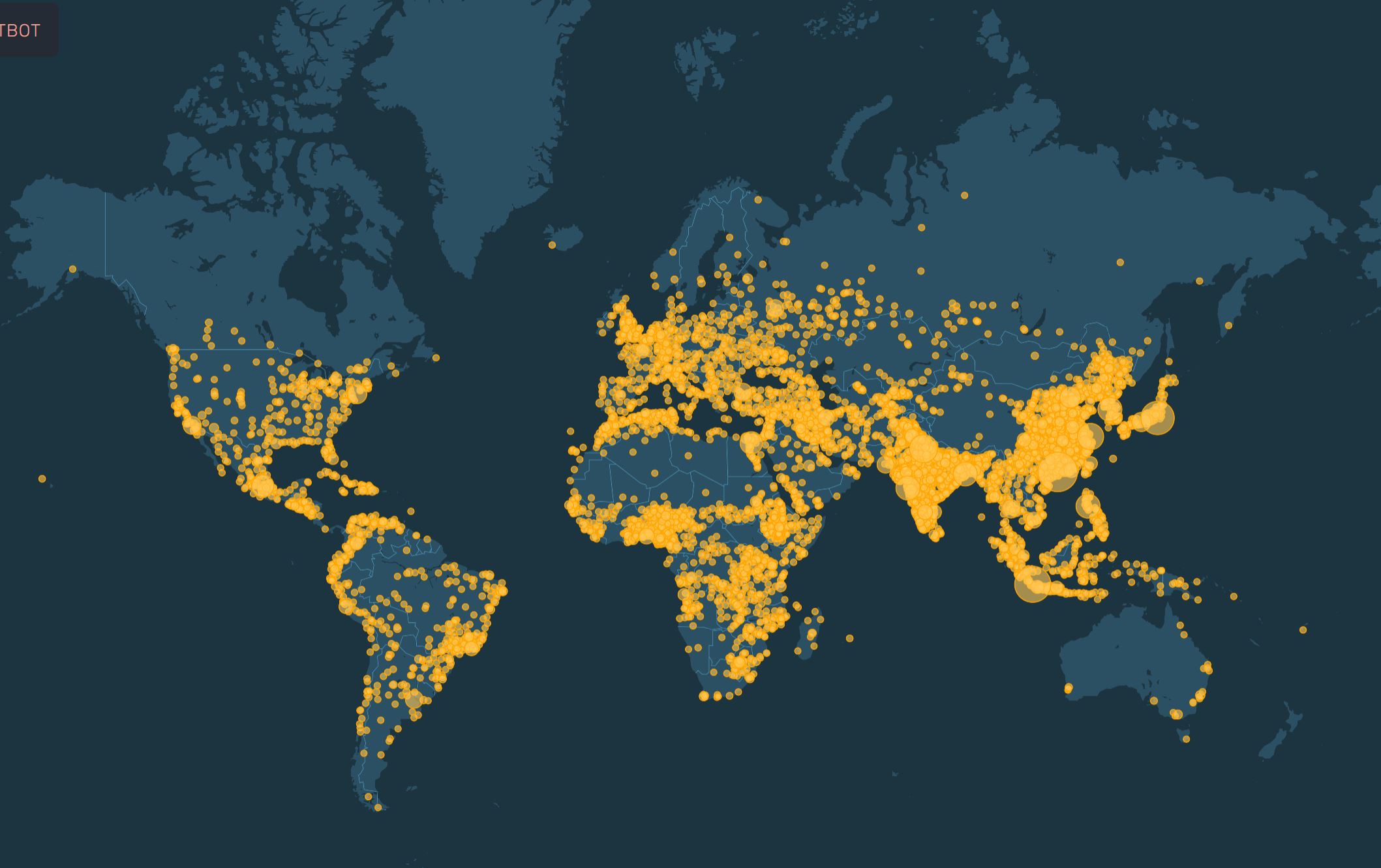
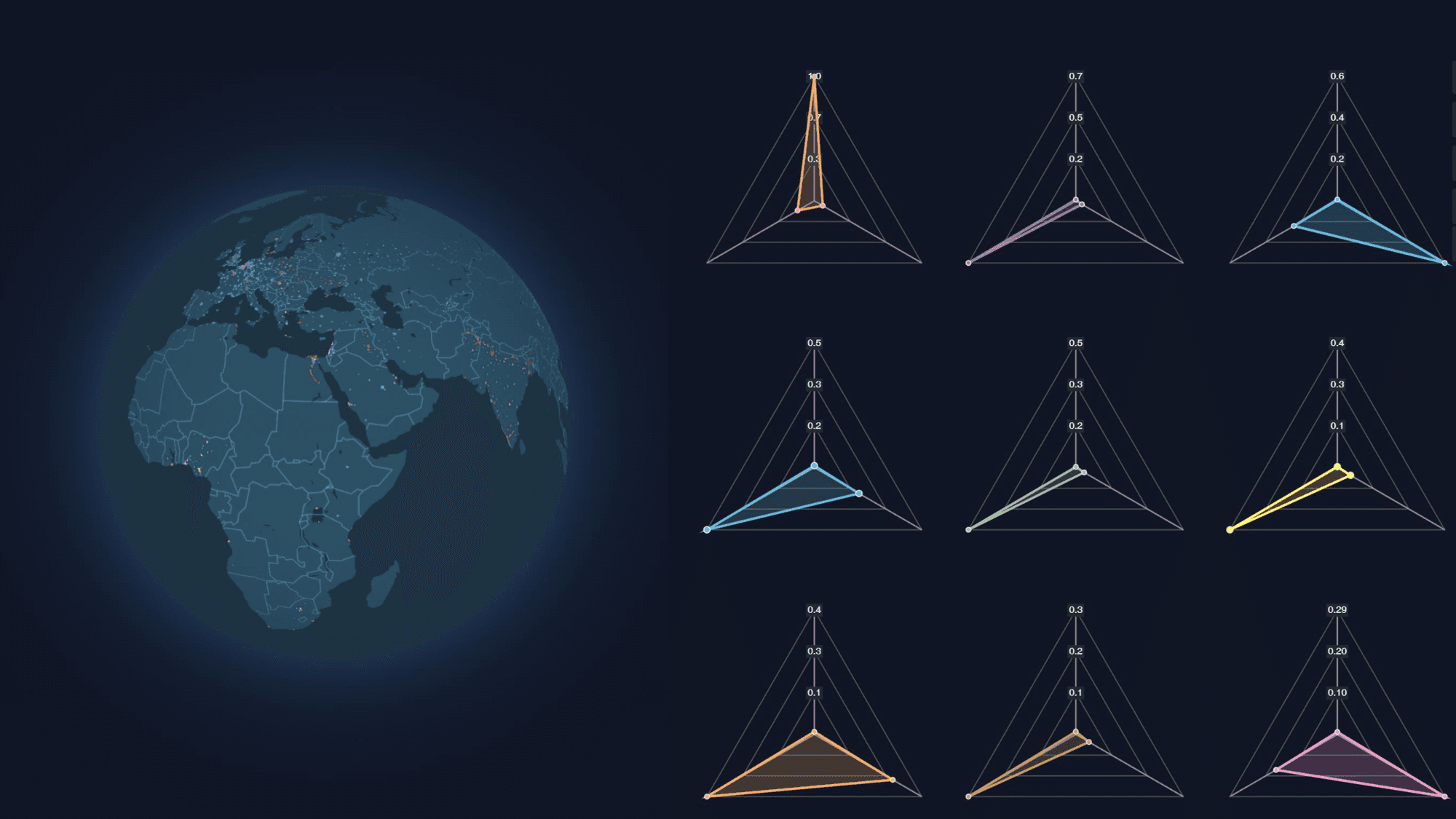
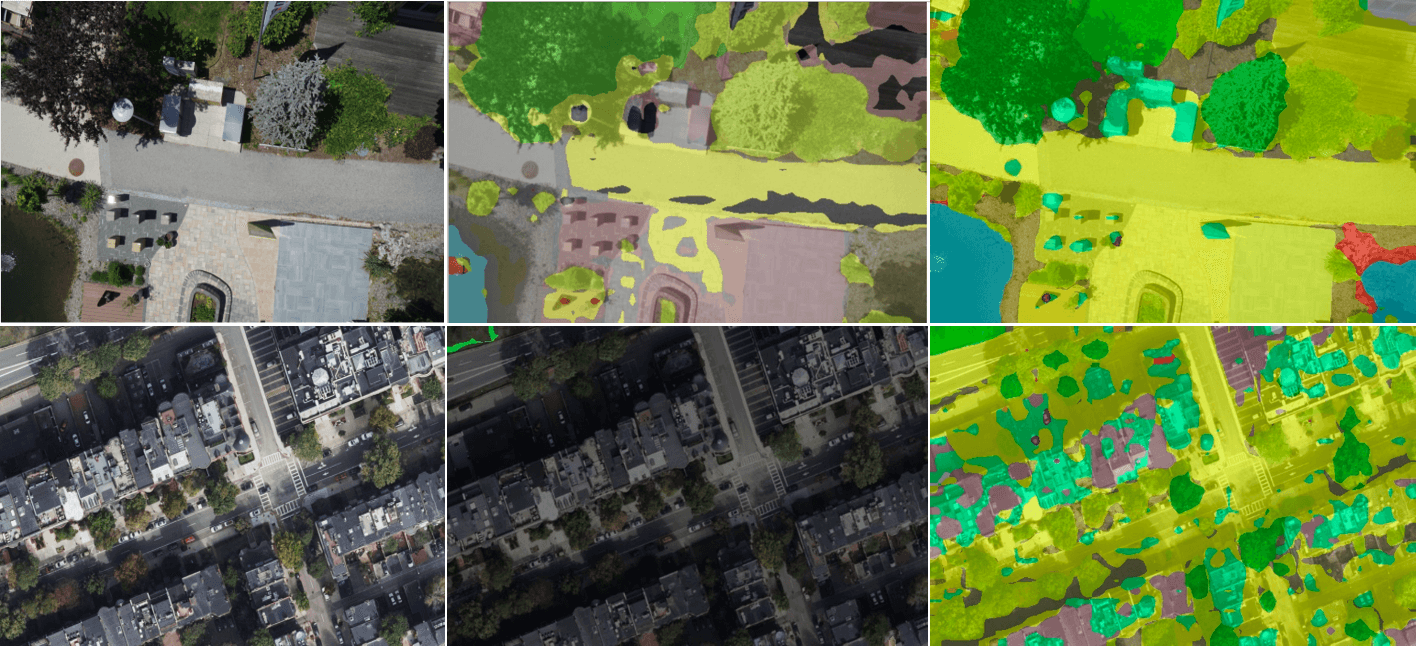
Using Material Flow Accounting (MFA) supported by machine learning and AI, UMERA works to reveal high resolution depictions of the material and energy flows serving a city. In doing so, subtle and radical redesigns of these flows can bring important efficiencies as well as transformative alternative modes for fulfilling short and long term resource needs. As one of the three labs of ERA, UMERA will develop new critical knowledge of the links between rapid and global urbanization, natural capital extraction and depletion and degradation of the biosphere - including biodiversity loss across all regions of the world. This knowledge will be used to inform academics, engineers, designers, communities, corporations, and governments in making urban sustainability a reality during the first half the 21st century.
Establishing a comprehensive understanding of urban material and energy flows through the lens of urban metabolism;
Attributing specific pressures on the environment and biosphere, at multiple spatial and temporal scales, to elements of urban production and consumption;
Enhancing science-based learning and communication focused on resources, the environment and cities for municipal experts, agencies, and leaders;
Engaging building and infrastructure professionals, engineers, designers, and policymakers on priority actions for urban sustainability;
Expanding the role of cities in global climate and environmental actions;
Enabling urban communities toward greater empowerment based on the results of science and analysis for climate and environmental justice.