Assessment of the Media and Entertainment Industry and Climate Change – Phase 1
2023 - 2025
SIERA
Project Team
PI: Prof. John E. Fernandez
PI: Norhan Bayomi
Supported By
Inaugural funders: Coldplay, Live Nation, Warner Music Group, Hope Solutions
A comprehensive analytical study quantifying the annual greenhouse gas emissions attributable to live music events in the United Kingdom and United States, employing three complementary frameworks , decision-based, activities-based, and event-type-based , to model emissions across the full value chain of live music production and consumption.
The MIT ClimateMachine (MITCM) project presents the first comprehensive accounting of greenhouse gas emissions from live music in the UK and US. The research addresses a critical gap: without a total emissions baseline, the relative contribution of any mitigation action cannot be meaningfully assessed.


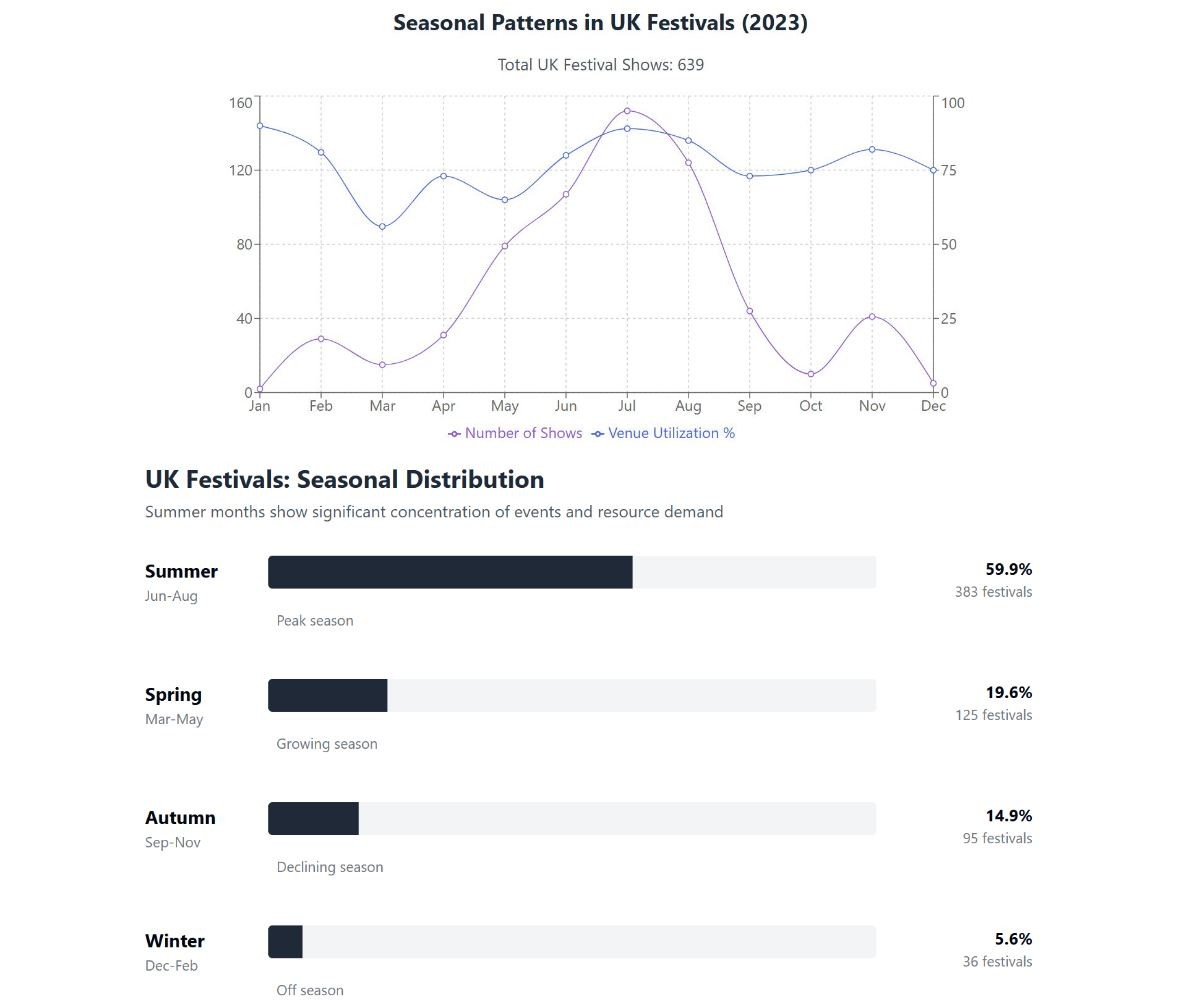
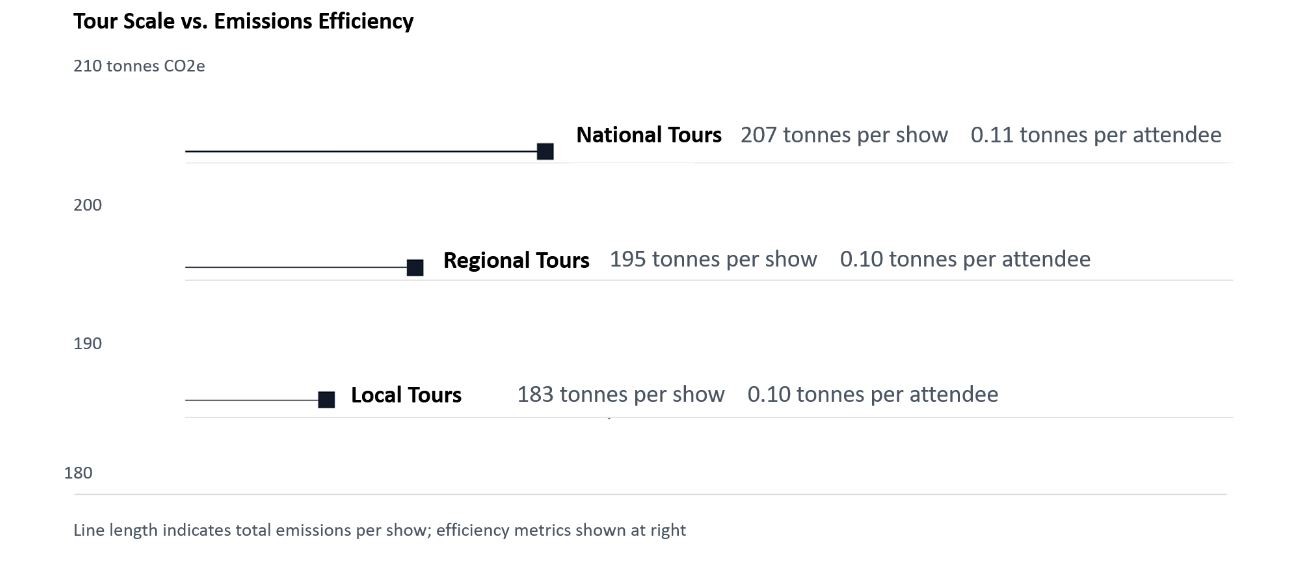
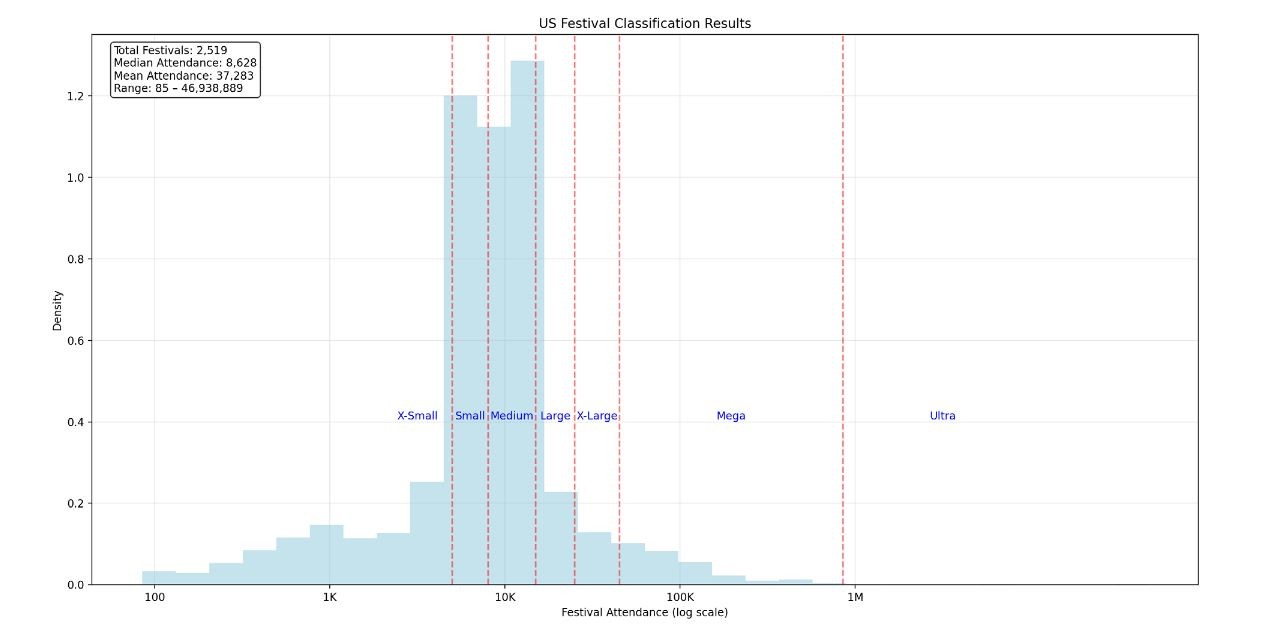
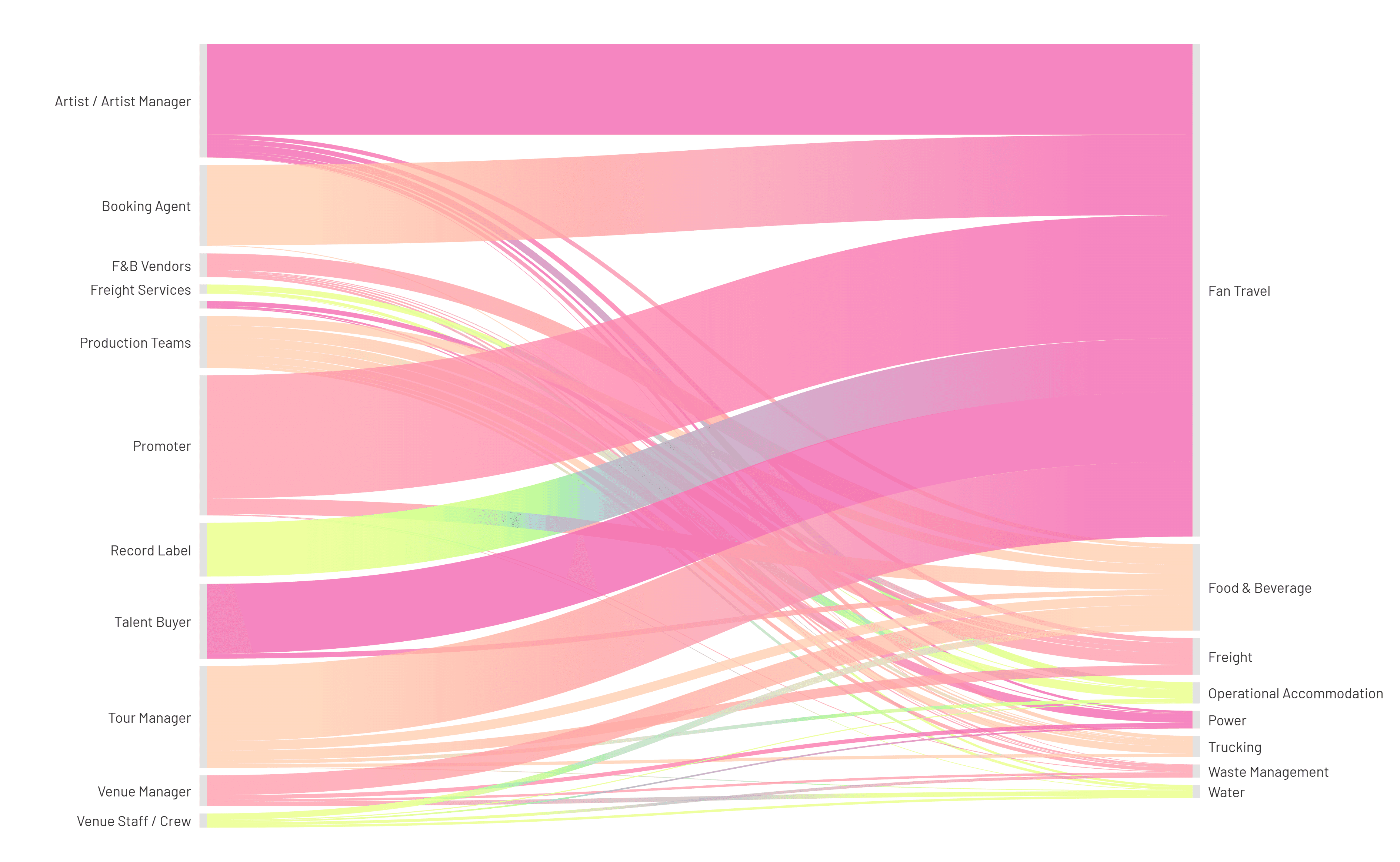
The study developed three analytical frameworks to organize and quantify the diverse activities that generate emissions across the live music lifecycle. The decision-based framework maps key stakeholders and the operational choices they make that affect carbon output, spanning tours, indoor venues, studios, and outdoor festivals. The activities-based framework provides granular, lifecycle-stage emissions quantification, from pre-event logistics through performance delivery to post-event teardown, across sectors including power generation, food and water provision, artist and fan travel, equipment freight, accommodation, and waste management. The event-type-based framework models emissions by venue typology (clubs, theaters, arenas, stadiums) and integrates building energy simulation with location-specific climate and grid data.
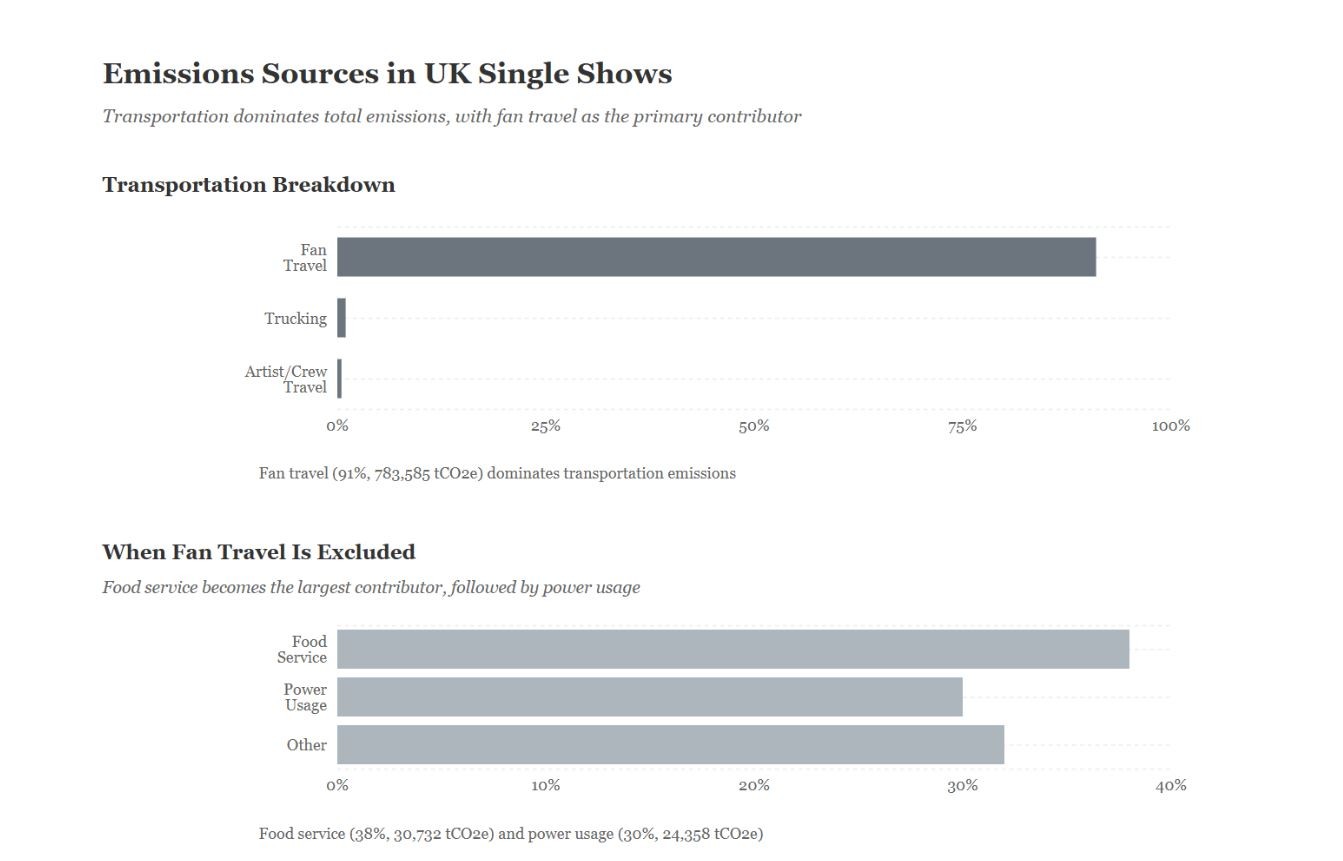
Total annual emissions were calculated at 4.4 MtCO2e for the UK and 17.3 MtCO2e for the US. Fan travel emerged as the single largest contributor (68% in the UK, 49% in the US), followed by food services (20% UK, 35% US). The research also identified 33 targeted recommendations for emissions reduction spanning power, venues, transportation, food, fan travel, and artist travel.
In parallel, the team conducted over 50 interviews with industry stakeholders and developed a touring model, an interactive tool enabling artists and managers to evaluate eco-informed routing decisions based on the ratio of carbon cost to fan attendance across alternative touring paths.